
Your Cart
Understanding the Vacuum Forming Packaging Process: A Complete Guide for Manufacturers
In today's competitive manufacturing landscape, the right packaging solution can significantly impact product safety, brand perception, and operational efficiency. Vacuum forming packaging represents one of the most versatile and cost-effective methods for creating custom plastic packaging solutions. This comprehensive guide will explore the vacuum forming packaging process, its applications, and why it continues to be a preferred choice for businesses across multiple industries.
The vacuum forming packaging process begins with a detailed understanding of client requirements. At Jiasheng, our technical team collaborates closely with clients to analyze product specifications, protection needs, and aesthetic goals. This initial consultation phase is crucial for developing packaging that not only protects but enhances the overall product presentation. Our expertise in vacuum forming packaging allows us to recommend optimal materials and design approaches tailored to each client's unique needs.
The technical process of vacuum forming packaging involves several precise stages. First, a custom mold is created based on the product's dimensions and design requirements. This mold serves as the foundation for the entire vacuum forming packaging operation. A plastic sheet is then heated to a specific temperature until it becomes pliable. The heated material is positioned over the mold, and vacuum pressure is applied to form the sheet precisely against the mold's contours. This creates a perfect replica of the mold design, resulting in custom packaging that fits the product exactly.
Material selection plays a vital role in vacuum forming packaging performance. Different applications require specific material properties, and understanding these requirements is essential for successful packaging outcomes. Common materials used in vacuum forming packaging include PET, PP, PS, and PVC, each offering distinct advantages in terms of clarity, durability, and chemical resistance. Our technical team at Jiasheng helps clients navigate these material choices based on their specific product requirements and industry regulations.
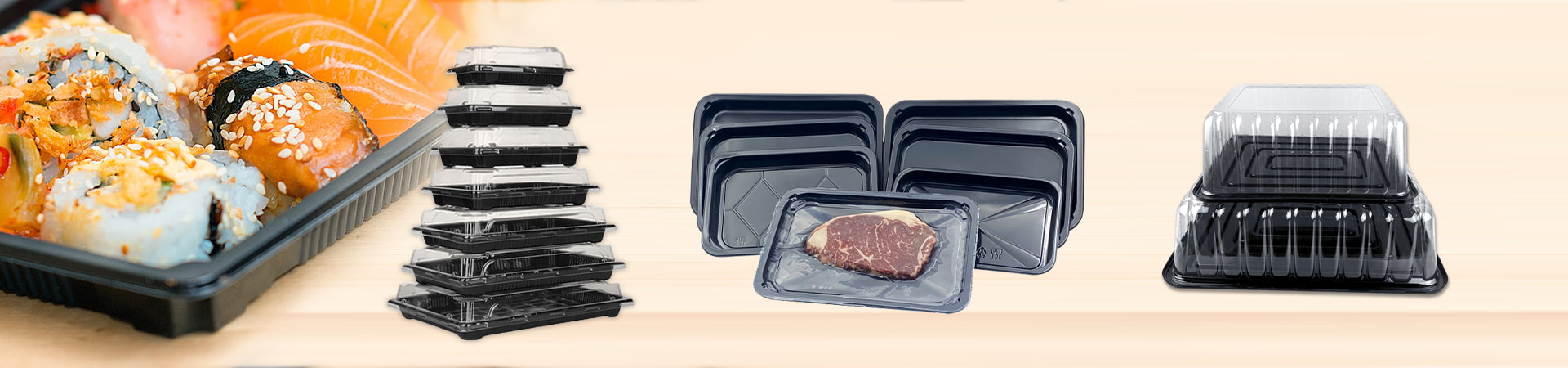
The applications for vacuum forming packaging span numerous industries, demonstrating its remarkable versatility. In the food industry, vacuum forming packaging creates secure, hygienic containers for baked goods, fresh produce, and prepared meals. The medical sector relies on vacuum forming packaging for sterile device containers and surgical tray systems. Electronics manufacturers use vacuum forming packaging for protective inserts that prevent damage during shipping and handling. Consumer goods companies leverage vacuum forming packaging for attractive retail displays that enhance product visibility while providing essential protection.
One of the most significant advantages of vacuum forming packaging is its cost-effectiveness compared to other manufacturing methods. The tooling costs for vacuum forming packaging are generally lower than injection molding alternatives, making it ideal for medium-volume production runs. This cost efficiency, combined with quick turnaround times, makes vacuum forming packaging an attractive option for businesses looking to optimize their packaging budgets without compromising quality.
Sustainability considerations in vacuum forming packaging have become increasingly important in recent years. Modern vacuum forming packaging solutions can incorporate recycled materials and are fully recyclable in many cases. At Jiasheng, we work with clients to develop environmentally responsible vacuum forming packaging options that align with their sustainability goals while maintaining the necessary performance characteristics. This includes exploring thinner gauge materials that reduce plastic usage without sacrificing protection.
Quality control measures ensure that every vacuum forming packaging solution meets the highest standards. Throughout the vacuum forming packaging process, multiple checkpoints verify dimensional accuracy, material integrity, and overall quality. This rigorous approach guarantees that the final vacuum forming packaging products consistently perform as intended, providing reliable protection for valuable products throughout the supply chain.
The future of vacuum forming packaging continues to evolve with technological advancements. Innovations in material science, automation, and design software are enhancing the capabilities of vacuum forming packaging. These developments enable more complex geometries, improved material efficiency, and faster production times. As a forward-thinking manufacturer, Jiasheng stays at the forefront of these vacuum forming packaging innovations to deliver cutting-edge solutions to our clients.
Choosing the right partner for vacuum forming packaging requires careful consideration of several factors. Look for manufacturers with demonstrated experience in vacuum forming packaging, comprehensive technical capabilities, and a proven track record of successful projects. The ideal vacuum forming packaging partner should offer end-to-end services, from initial design consultation to final production, ensuring a seamless experience and optimal results.
In conclusion, vacuum forming packaging remains a vital manufacturing process for creating custom plastic packaging solutions. Its versatility, cost-effectiveness, and reliability make it suitable for countless applications across diverse industries. By understanding the vacuum forming packaging process and partnering with an experienced manufacturer like Jiasheng, businesses can develop packaging solutions that protect their products, enhance their brand, and support their operational objectives. As packaging needs continue to evolve, vacuum forming packaging will undoubtedly maintain its position as a go-to solution for quality-conscious manufacturers worldwide.