
Your Cart
Understanding Thermoforming Plastic Packaging: A Comprehensive Guide to Manufacturing and Applications
Introduction to Thermoforming Plastic Packaging Technology
The manufacturing world continues to evolve with advanced production techniques, and thermoforming plastic packaging stands as one of the most versatile and efficient processes in modern packaging solutions. This innovative approach to thermoforming plastic packaging involves heating plastic sheets to a pliable forming temperature and forming them to specific shapes using molds. The thermoforming plastic packaging method has revolutionized how businesses approach product protection, presentation, and distribution across numerous industries. As consumers and manufacturers alike seek more customized, cost-effective, and sustainable packaging options, thermoforming plastic packaging provides answers to these evolving market demands. This comprehensive guide explores the technical processes, material considerations, and practical applications of thermoforming plastic packaging that make it an indispensable manufacturing method in today's competitive marketplace.
The Technical Process Behind Thermoforming Plastic Packaging
Understanding the mechanical process behind thermoforming plastic packaging requires examining its systematic approach to transforming raw materials into finished products. The thermoforming plastic packaging process begins with plastic sheet extrusion, where polymer pellets are melted and formed into continuous sheets of specific thicknesses. These sheets then undergo heating in the thermoforming plastic packaging equipment until they reach optimal forming temperature. The pliable material is then positioned over custom-designed molds in the thermoforming plastic packaging process, where vacuum pressure, compressed air, or mechanical assists shape the plastic to the mold's contours. The precision of this stage in thermoforming plastic packaging determines the final product's dimensional accuracy and structural integrity. After forming, the thermoforming plastic packaging components are trimmed from the remaining sheet material, finished for edge smoothness, and prepared for subsequent packaging operations.
Material Selection for Optimal Thermoforming Plastic Packaging Performance
The success of any thermoforming plastic packaging project heavily depends on selecting appropriate materials that align with both functional requirements and economic considerations. Various polymers serve different purposes in thermoforming plastic packaging, including PET (Polyethylene Terephthalate) for its excellent clarity and strength, PVC (Polyvinyl Chloride) for its formability and durability, and PP (Polypropylene) for its flexibility and chemical resistance. Advanced thermoforming plastic packaging solutions may incorporate multi-layer co-extruded materials that combine the benefits of different polymers in a single sheet. The thickness of materials used in thermoforming plastic packaging typically ranges from thin-gauge for consumer product packaging to heavy-gauge for industrial applications. Environmental considerations in thermoforming plastic packaging have led to increased adoption of recycled content materials and biodegradable polymers that maintain performance characteristics while addressing sustainability concerns.
Design Considerations for Effective Thermoforming Plastic Packaging
The design phase represents a critical component in developing successful thermoforming plastic packaging solutions that balance aesthetics, functionality, and manufacturability. Effective thermoforming plastic packaging designs begin with thorough understanding of the product's dimensional requirements, protection needs, and user interaction points. CAD software enables precise modeling of thermoforming plastic packaging concepts, allowing for virtual testing and modification before committing to physical tooling. Draft angles, wall thickness consistency, and rib placement represent essential design elements in thermoforming plastic packaging that impact both form and function. The incorporation of stacking features, interlocking capabilities, and handling ergonomics in thermoforming plastic packaging designs enhances usability throughout the supply chain. Modern thermoforming plastic packaging increasingly focuses on right-sizing to minimize material usage while maintaining protective properties, contributing to both cost efficiency and environmental responsibility.
Applications and Industries Served by Thermoforming Plastic Packaging
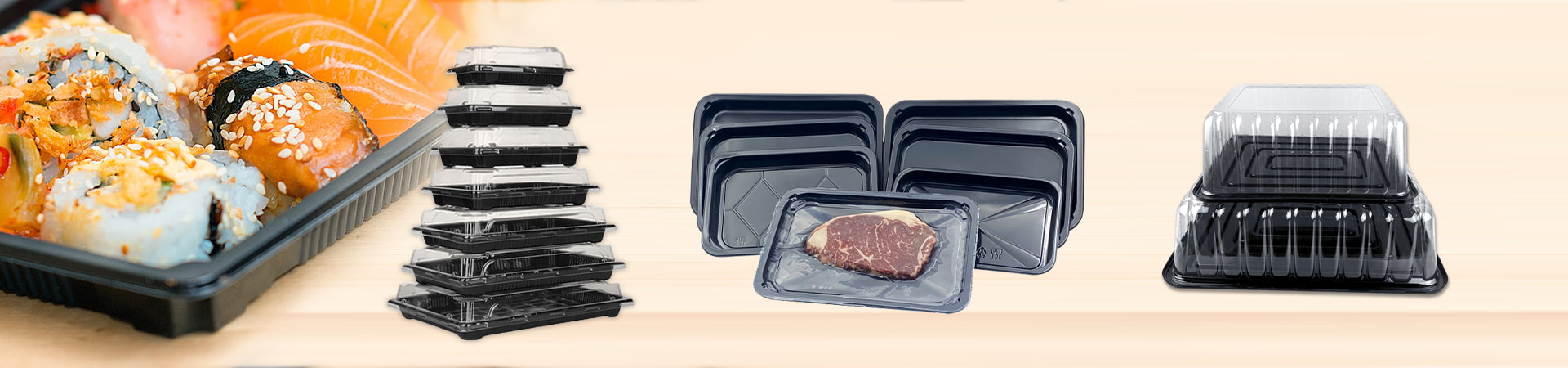
The versatility of thermoforming plastic packaging makes it suitable for an extensive range of applications across diverse market sectors. In consumer goods, thermoforming plastic packaging creates attractive blister packs and clamshells that provide product visibility while deterring theft. The medical industry relies on thermoforming plastic packaging for sterile barrier systems, surgical tray configurations, and medical device packaging that meets rigorous regulatory standards. Electronic manufacturers utilize thermoforming plastic packaging for custom inserts that protect sensitive components during shipping and handling. The food industry employs thermoforming plastic packaging for produce containers, meat trays, and ready-meal packaging that ensures food safety and extends shelf life. Industrial applications of thermoforming plastic packaging include protective dunnage, reusable shipping containers, and point-of-purchase displays that withstand demanding usage environments.
Advantages of Thermoforming Plastic Packaging Over Alternative Methods
When compared to other plastic manufacturing processes, thermoforming plastic packaging offers distinct benefits that explain its widespread adoption across industries. The cost efficiency of thermoforming plastic packaging stems from lower tooling expenses compared to injection molding, making it economically viable for short to medium production runs. The design flexibility of thermoforming plastic packaging allows for rapid prototyping and modifications, significantly reducing development timelines. Thermoforming plastic packaging supports the creation of large-format parts that would be impractical or prohibitively expensive with other manufacturing methods. The material efficiency of thermoforming plastic packaging results in less waste generation during production, with unused portions often being recycled back into the manufacturing stream. The visual appeal achievable through thermoforming plastic packaging, including crystal-clear transparency and precise color matching, provides marketing advantages that enhance product presentation at point of sale.
Jiasheng's Expertise in Professional Thermoforming Plastic Packaging Solutions
With extensive experience in plastic packaging manufacturing, Jiasheng has developed specialized expertise in delivering high-quality thermoforming plastic packaging solutions tailored to client-specific requirements. Our comprehensive approach to thermoforming plastic packaging begins with collaborative consultation to understand functional needs, brand objectives, and operational parameters. We maintain state-of-the-art thermoforming plastic packaging equipment capable of handling both thin-gauge and heavy-gauge materials for diverse application requirements. Our technical team possesses deep knowledge of material science, mold engineering, and production optimization specific to thermoforming plastic packaging processes. As a full-service provider, we manage the complete thermoforming plastic packaging project lifecycle from initial concept through design, prototyping, production, and export-ready packaging, ensuring seamless integration with our clients' supply chains.
Sustainability and Environmental Considerations in Thermoforming Plastic Packaging
The environmental impact of packaging continues to receive significant attention, and thermoforming plastic packaging has evolved to address these concerns through innovative approaches and material advancements. Modern thermoforming plastic packaging increasingly incorporates recycled materials while maintaining performance standards and regulatory compliance. The material efficiency inherent in the thermoforming plastic packaging process results in less raw material consumption compared to many alternative manufacturing methods. Design optimization in thermoforming plastic packaging focuses on lightweighting strategies that reduce material usage without compromising protective functions. The mono-material structures achievable through advanced thermoforming plastic packaging facilitate easier recycling at end-of-life. Additionally, the thermoforming plastic packaging industry continues to develop and implement biodegradable and compostable polymer options for appropriate applications, expanding the sustainable possibilities for this versatile packaging method.
Future Trends and Innovations in Thermoforming Plastic Packaging
The thermoforming plastic packaging industry continues to evolve with technological advancements that enhance capabilities, improve efficiencies, and expand application possibilities. Automation innovations in thermoforming plastic packaging lines increase production speeds while improving consistency and reducing labor requirements. Smart thermoforming plastic packaging incorporating QR codes, NFC technology, and augmented reality elements creates interactive consumer experiences while providing supply chain visibility. Material science developments continue to enhance the performance characteristics of polymers used in thermoforming plastic packaging, including improved barrier properties, enhanced strength-to-weight ratios, and advanced sustainable options. Industry 4.0 integration in thermoforming plastic packaging facilities enables real-time monitoring, predictive maintenance, and data-driven optimization of manufacturing parameters. These continuing innovations ensure that thermoforming plastic packaging will remain a vital manufacturing process capable of meeting future market demands across diverse sectors.
Conclusion: The Strategic Value of Thermoforming Plastic Packaging
The comprehensive benefits of thermoforming plastic packaging establish it as a strategically valuable manufacturing process for businesses seeking cost-effective, customizable, and sustainable packaging solutions. The versatility of thermoforming plastic packaging enables applications ranging from simple product containment to sophisticated medical device protection systems. The economic advantages of thermoforming plastic packaging, particularly for moderate production quantities, provide businesses with viable packaging options that don't require substantial capital investment in tooling. The environmental progress within the thermoforming plastic packaging industry demonstrates a commitment to sustainable practices without compromising performance requirements. By partnering with experienced manufacturers like Jiasheng for thermoforming plastic packaging needs, businesses can leverage this adaptable manufacturing process to create packaging solutions that protect products, enhance brands, and support business objectives in an increasingly competitive marketplace.